By continuing to use our site, you consent to the processing of cookies, user data (location information, type and version of the OS, the type and version of the browser, the type of device and the resolution of its screen, the source of where the user came from, from which site or for what advertisement, language OS and Browser, which pages are opened and to which buttons the user presses, ip-address) for the purpose of site functioning, retargeting and statistical surveys and reviews. If you do not want your data to be processed, please leave the site.
The Voice of People With Breast Cancer

Education
Our Voices Blog
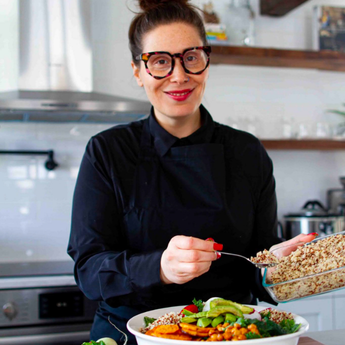
Plant-Forward Eating During and After Breast Cancer: A Practical Guide
Sep 23, 2026
I was 31 years old when I was diagnosed with stage III, grade 3, HER2-positive, hormone receptor-positive breast cancer in 2017. It wasn’t however, my first encounter with it. My father had lived through melanoma, stomach cancer, and pancreatic cancer before passing away when I was 26. Years later, when I was 36, my mother would pass away from ovarian cancer. But this was the first time I was facing a diagnosis of my own.
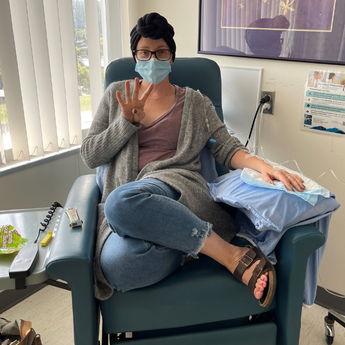
Cancer care for our whole selves, but at what cost?
Sep 16, 2026
Despite access to a social healthcare system that’s meant to cushion all of us who make an unintended stop in Cancerland, I learned very quickly following my breast cancer diagnosis that the financial hits we take as patients differ drastically. No, we’re not shopping around for an oncologist who will accept our health insurance; we’re not left to file appeals with our insurance providers or risk paying out of pocket when they reject our oncologists’ requests for critical scans; we’re (usually) not begging for compassionate access to experimental drugs approved for treatment elsewhere; and we’re not weighing the cost of life-extending treatments against bankruptcy. But we’re also not all undergoing treatment with the same financial means, and this can have a substantial impact on our physical and psychosocial health outcomes.

Breast Cancer and the Medicine of Movement
Sep 11, 2026
A breast cancer diagnosis has a way of turning life upside down- your calendar is filled with appointments, scans, treatments, surgeries, and follow-up visits. Your focus becomes getting through the next appointment, the next treatment, the next milestone and then gradually things begin to slow down. For many, this is when a different question starts to surface… Now what?

Wellness: Supporting your Whole Self During Cancer Treatment – Part 1
Aug 26, 2026
Hearing that I had cancer at 40 was one of the scariest moments of my life. I was healthy; fitness and wellness had always been part of my life. I was a mother of two young girls and a stepson.

Rethinking Food and Fitness After Breast Cancer
Aug 12, 2026
The hot flash didn't arrive gradually. It exploded.
I was standing in line at the fish counter inside the St. Lawrence Market when a wave of heat suddenly rushed through me. It felt like a fire had started deep inside my body, beginning at my toes and racing upward until it burst through the top of my head.

How AI-Powered Education Can Support Patients and Caregivers During Cancer Navigation
Jul 31, 2026
A breast cancer diagnosis can bring an overwhelming amount of information in a short time. Patients and caregivers must learn new terms, compare treatments, monitor side effects, prepare for appointments, navigate access programs, and make decisions while coping with fear, fatigue, and daily life.
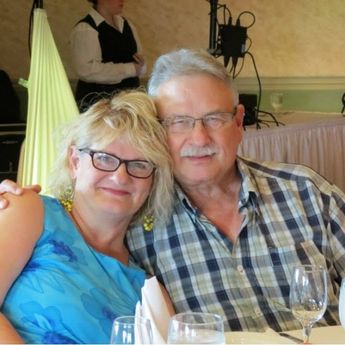
Finding Strength Through Breast Cancer
Jul 21, 2026
When Jill turned 50, breast cancer was the last thing on her mind. Living in Halifax, Nova Scotia, she was enjoying life as a newly trained paralegal, wife, mother of three, and grandmother. Breast cancer did not run in her family, and she had no reason to think that her life was about to change.

The Bills You Don’t See Coming
Jul 16, 2026
When you are diagnosed with breast cancer, a stack of parking receipts, pharmacy bills and missed days of work is likely the last thing on your mind. But for so many, these hidden costs are a reality during treatment and recovery.

Understanding Breast Prostheses, Mastectomy Bras, and Financial Coverage Across Canada
Jul 2, 2026
Navigating life after a mastectomy or lumpectomy comes with decisions that can feel overwhelming, especially when it comes to something as personal as your appearance and comfort. To help answer some of the most common questions, Julia Basden, owner of Naturally You Boutique and a Certified Mastectomy Fitter with years of experience helping patients find the right prostheses and bras, shares her guidance on the questions patients ask most.

Money, Your Money, and Breast Cancer
Jun 17, 2026
Money was not my first thought when I was diagnosed with breast cancer. To be fair, I never used to think about money when it came to my health. I mean, I live in Canada. I pay taxes that feed into our healthcare system. What was there to consider? Turns out a lot.
 Receive updates by email Subscribe Now
About CBCN
CBCN strives to voice the views and concerns of breast cancer patients through education, advocacy activities, and the promotion of information sharing.
Canadian Breast Cancer Network
Mailing Address: M013 - 1367 Clyde Ave. Ottawa, ON K2G 3H7
Tel: 613-230-3044
Toll-free: 1-800-685-8820
Email Us


