
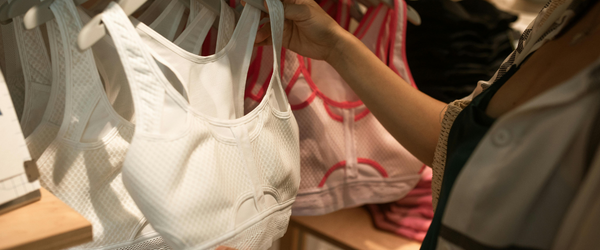
A Q&A with Julia Basden, Owner of Naturally You Boutique
Navigating life after a mastectomy or lumpectomy comes with decisions that can feel overwhelming, especially when it comes to something as personal as your appearance and comfort. To help answer some of the most common questions, Julia Basden, owner of Naturally You Boutique and a Certified Mastectomy Fitter with years of experience helping patients find the right prostheses and bras, shares her guidance on the questions patients ask most.
Q: What is a breast prosthesis and who might consider using one?
A breast prosthesis (sometimes called a breast form) is a wearable insert designed to replicate the look, feel, and weight of a natural breast. It’s worn inside a specially designed pocketed bra called a mastectomy bra. Anyone who has had a mastectomy, lumpectomy, or other breast surgery that changed the shape or size of their breast may consider using one. Some people use them right away, while others come to them months or years later. There’s no wrong time.
Q: When can someone be fitted for a prosthesis?
Timing depends on your healing. In the early weeks after surgery, most people start with a lightweight temporary form, often a soft fibre-filled or foam prosthesis, while swelling goes down and incisions heal. Once your surgeon gives the go-ahead, usually around six to eight weeks post-surgery, you can be fitted for a more permanent silicone prosthesis. If you’re going through radiation, your fitter may recommend waiting until treatment is complete, since your shape and skin sensitivity can continue to change during that time.
Q: What types of prostheses are available?
There are more options than most people expect. Silicone prostheses are the most common for everyday wear. They closely match the weight and movement of a natural breast, which helps with posture and balance. Lightweight and foam forms are a good option for active days, warmer weather, or anyone who prefers less weight against their body. Swim forms are made to resist chlorine and salt water and dry quickly, so you can feel confident at the pool or beach. And partial prostheses (also called shapers or equalizers) are designed for those who’ve had a lumpectomy or partial reconstruction and need to even out a difference in size or shape. Many people end up with more than one type to suit different activities and situations.
Q: How much do prostheses and mastectomy bras typically cost?
Costs vary depending on the type and brand. A quality silicone prosthesis generally runs between $200 and $500, while custom-made options can be significantly more. Lightweight and foam forms tend to cost less. Mastectomy bras typically range from $50 to $120 each. These costs can add up over time since both prostheses and bras need to be replaced periodically, which is why understanding your coverage options is so important.
Q: Is financial assistance available?
Yes. Most provinces offer some level of government funding for breast prostheses, though the amounts and what’s covered differ quite a bit. Many private or employer-sponsored extended health insurance plans also cover prostheses and mastectomy bras. On top of that, breast prostheses and mastectomy bras are tax-exempt at the point of purchase and can be claimed as a medical expense on your income tax return. Organizations like the Canadian Cancer Society also operate prosthesis banks in some regions, providing forms to those who can’t afford them.
Q: Does coverage vary by province?
Significantly. Because health care is managed provincially, funding programs differ across the country. For example, British Columbia covers up to $450 per side for a mastectomy prosthesis through Fair PharmaCare, while Ontario’s Assistive Devices Program provides $195 for a full prosthesis. Quebec offers up to $525 per prosthesis annually, and Alberta covers prostheses through the Aids to Daily Living program with a 25% client cost-share (waived for seniors and low-income residents). Nova Scotia provides up to $300 every two years, and Manitoba covers up to $400 every two years plus a small amount for a pocketed bra. Some provinces, like Saskatchewan and New Brunswick, currently offer no provincial reimbursement at all. It’s one of the most confusing parts of the process, and exactly why we put together a detailed provincial funding guide at Naturally You - so patients can quickly find what applies to them.
Q: What about private insurance coverage?
Most employer-sponsored extended health plans cover breast prostheses, and many cover between one and four mastectomy bras per year as well. The key is to check your specific plan details, including coverage amounts, whether you need a prescription or a referral, and whether they require you to purchase from a certified fitter. Your plan may also cover post-surgical compression bras if they’re prescribed. A Certified Mastectomy Fitter can often help you understand what your plan covers and provide the documentation you need.
Q: What documentation should patients keep for reimbursement?
Keep everything. At a minimum, you’ll want to hold on to your doctor’s prescription (most programs and insurers require one), your itemized receipts with the product names and prices, and any claim forms from your provincial program or insurer. Some provinces have submission deadlines. Nova Scotia, for example, requires claims within 180 days of purchase. I’d recommend keeping all of your documentation for at least five years, and making digital copies as a backup. If you’re not sure what forms you need, bring your questions to your fitting appointment and a certified fitter can walk you through the paperwork.
Q: What questions should I ask before my fitting appointment?
A few good ones to start with:
- Is the fitter a Certified Mastectomy Fitter?
- How long should I expect the appointment to take?
- Do I need to bring a prescription?
- Can they help me with my insurance or government funding paperwork?
- Will they let me try on different types of prostheses and bras before I decide?
A good fitting is not rushed. It should feel like a conversation about your needs, your comfort, and your lifestyle. Don’t be afraid to ask anything. This is about you.
Q: How often can a breast prosthesis or mastectomy bra be replaced, and is replacement covered?
Most provincial programs and insurance plans allow replacement of a silicone prosthesis every two years (24 months from the date of purchase). Lightweight and foam forms wear out faster (typically around six months with regular use) but provincial programs generally don’t cover them separately. Mastectomy bras may be replaced more frequently depending on your plan. A prosthesis may also be eligible for early replacement if your body changes significantly, for example after a major weight change or further surgery. Your fitter and your provincial program can help you determine when it’s time.
For a detailed breakdown of coverage by province, visit the Mastectomy Bra & Prosthesis Provincial Funding Support Guide at naturallyyou.ca.
Facebook: https://www.facebook.com/naturallyyou.ca
Instagram: https://www.instagram.com/naturallyyou.ca/


 Receive updates by email

