
By Betty Jean Aucoin
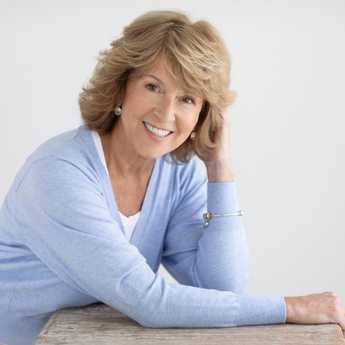 “Am I going to die?”
That was the first question I asked when I was told I had breast cancer.
Many people face this difficult question after a diagnosis, which can bring fear, uncertainty, and overwhelm. It can also feel, at times, as if the future you had imagined is being taken from you.
When I hung up the phone, I dropped to my knees in child’s pose, a posture I had learned through yoga. It was the only place I could go. I cried, I breathed, and eventually, I stood back up.
That moment felt like an ending, but in reality, it marked the beginning of a new chapter in my journey.
Four and a half years later, I faced a second diagnosis: stage IV breast cancer that had spread to my bones. Once again, I asked myself, “Am I going to die?”
Yet, when I faced this new reality, I realized something within me had changed since my first diagnosis.
Living with cancer is not just about survival. It’s about how we choose to live each day.
A cancer diagnosis affects more than the body. It can impact your thoughts, your emotions, and your relationships. It is common to experience fear, grief, and uncertainty, sometimes all at once.
Over time, I learned the importance of allowing myself to feel those emotions. I gave myself permission to cry, to grieve, and to process what was happening. This did not make me weaker. It helped me move forward.
Feeling emotions is important, but we don’t have to remain in them. I acknowledged my feelings without letting them define my days. This helped me move forward with intention and hope.
Support also became an essential part of my journey. Family, friends, and my healthcare team helped me feel less alone. Their presence reminded me that even during difficult moments, connection matters.
At times, it was not easy for me to ask for support. In the early days, a friend stepped in and reached out to others, helping to organize support for my family and me. That act of care made a meaningful difference. It reminded me that we don’t always have to carry everything on our own, and that allowing others to help can be part of the healing process.
I also began to shift how I approached my daily life. I focused on what I could control, nourishing my body, caring for my mind, and using my energy wisely. I brought mindfulness, movement, and gratitude into each day. These small actions helped me feel grounded.
I often say that my mind is my GPS. The thoughts I return to can guide how I move through each day. When I choose thoughts rooted in hope, possibility, and self-compassion, I am better able to navigate this journey with intention.
Living with stage IV breast cancer can be challenging. There are still difficult days and moments of uncertainty. At the same time, there can also be joy, connection, and purpose. Many people continue to live full and meaningful lives with this diagnosis. I am one of them.
If you are reading this and asking yourself, “Am I going to die?”, please know that you are not alone.
While we cannot control everything, we can take steps to support ourselves and how we live each day. For me, that means choosing to rise each day and live life over cancer.
This reflection is inspired by my lived experience and the lessons I share in my book, RISE: Living Life Over Cancer, where I explore ways to move beyond survival and into a life grounded in mindfulness, gratitude, and intentional living. I hope everyone who reads this blog sees the importance of taking small, meaningful steps to support their well-being, one day at a time.

 Receive updates by email

