
By Vanessa Rotondo, CNC
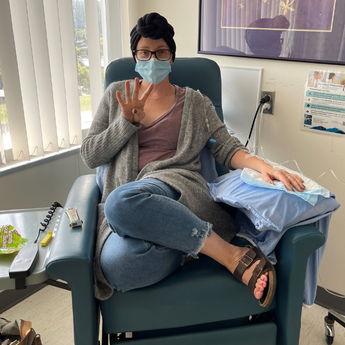
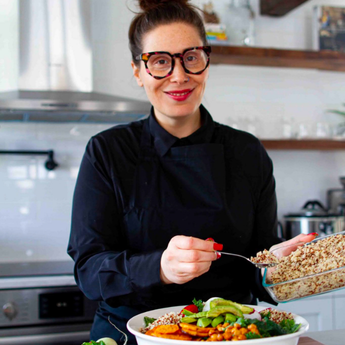 I was 31 years old when I was diagnosed with stage III, grade 3, HER2-positive, hormone receptor-positive breast cancer in 2017. It wasn’t however, my first encounter with it. My father had lived through melanoma, stomach cancer, and pancreatic cancer before passing away when I was 26. Years later, when I was 36, my mother would pass away from ovarian cancer. But this was the first time I was facing a diagnosis of my own.
Like many newly diagnosed patients, I quickly found myself caught in a whirlwind of appointments, scans, treatment decisions, and information overload. During one of my first meetings with my medical oncologist, I searched for something I could control amid all the uncertainty. I asked a simple question: “What should I eat to support my body during treatment?”
His response was practical: “Whatever you can keep down.”
At the time, the answer felt unsatisfying to me. I wanted to understand whether food could help me feel stronger, manage side effects, and support my body through treatment and recovery. I was determined to merge the information gap between medical and holistic approaches to health, to increase my outcomes and feel my best, especially when so much else felt out of my hands.
This search for answers eventually led me into the field of nutrition. Today, as a Certified Functional Nutritionist and Holistic Cancer Practitioner, I support women navigating breast cancer through personalized, evidence-informed nutrition and lifestyle strategies that compliment conventional care, and increase quality of life throughout the cancer journey, no matter the stage.
What should you eat during breast cancer treatment?
While every diagnosis and treatment plan is unique, one of the most well-supported approaches in nutrition research, backed by a 2025 systematic review in the American Journal of Clinical Nutrition, is a whole-food, plant-forward eating pattern, similar to the Mediterranean diet. Plant foods provide fibre, vitamins, minerals, antioxidants, and phytonutrients –naturally occurring compounds that protect our cells and our body’s natural repair processes.
Plant-forward eating doesn’t mean you have to become vegetarian or vegan. It simply means building more of your meals around plant foods such as vegetables, fruits, legumes, whole grains, nuts, seeds, herbs, and spices. If you choose to include animal foods, prioritize local, high-quality sources such as wild-caught fish and pasture-raised or grass-fed meat and poultry.
Some of the foods I often encourage clients to include regularly include leafy greens, berries, beans and lentils, cruciferous vegetables such as broccoli, cauliflower, cabbage, arugula, and kale, allium vegetables like onions and garlic, cooked mushrooms, and healthy fats with every meal, such as avocado and extra virgin olive oil. These foods support blood sugar balance, digestive and immune support, natural detoxification processes and heart health, which can be a real priority for women on hormone therapy or in medically-induced menopause.
When eating feels difficult during treatment
But what happens when treatment makes eating feel hard?
Loss of appetite, nausea, vomiting, taste changes, and mouth sores can make even the idea of food feel overwhelming. In those moments, the goal shifts from eating perfectly to eating practically, and giving yourself some grace.
When appetite is low, I often suggest focusing on small, frequent meals instead of full plates. Keep easy, nutrient-dense foods within reach like nuts and seeds, avocado, hummus, or a favourite trail mix that you enjoy. For nausea, simple strategies can help. Ginger tea or ginger chews may ease symptoms, and cooler and bland foods often feel easier to tolerate because they have less smell.
If protein intake feels challenging, a simple smoothie can take the pressure off. A plant-based protein powder (such as pea, hemp, quinoa, or millet) blended with almond butter, berries, and fortified plant-based milk can provide a nourishing, easy-to-digest option.
When mouth sores develop, soft, soothing foods like smoothies, soups, oatmeal, chia pudding, or even frozen smoothie popsicles can do the trick. Spicy, acidic, or rough-textured foods may cause more irritation, so it can help to avoid them during this time.
Most importantly, don’t skip on staying well-hydrated. Sipping on clean filtered water regularly throughout the day is critical to overall all health and keeping things moving.
A final reminder
Nutrition during breast cancer doesn’t have to be overwhelming. It’s about finding small, supportive ways to nourish your body through changing needs, and giving yourself grace along the way.
About me
I’m a Certified Functional Nutritionist and Holistic Cancer Practitioner supporting women through breast cancer treatment, recovery, and beyond with personalized, evidence-informed nutrition and lifestyle strategies.
If you’d like to learn more about my work, visit www.nutriditions.com.
You can also:
- Follow along on Instagram: @nutriditions
- Join my newsletter for updates and new blog posts: https://www.nutriditions.com/newsletter
- Book a free discovery call or Cancer Support Consultation: https://www.nutriditions.com/book-online

 Receive updates by email

